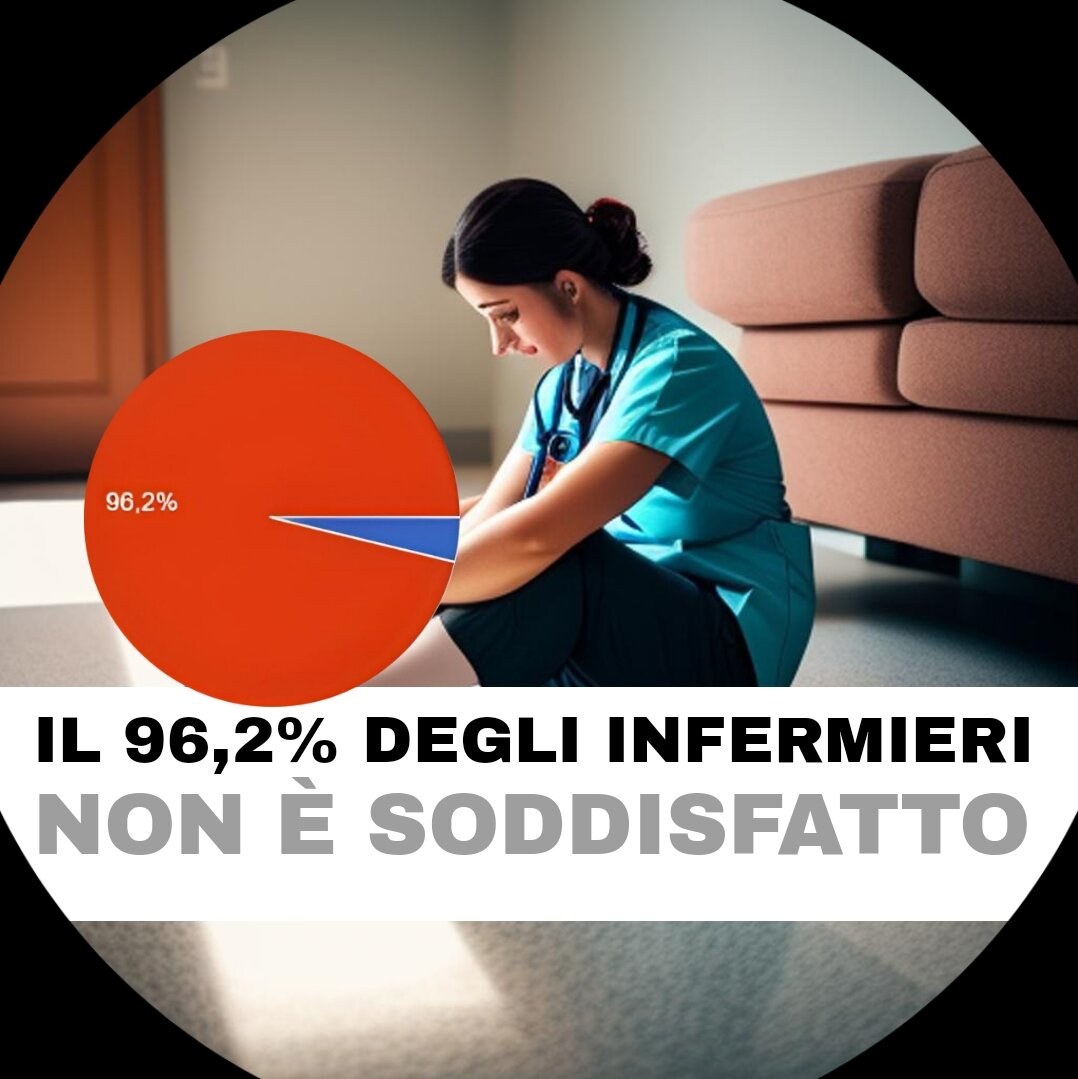




According to a recent study by Remote, “European work-life balance 2023”, Italy ranks last in Europe regarding work-life balance (working hours, holidays, salary, welfare state, minimum wage, etc.). Better than Italy: Greece, Portugal, Spain, Estonia, Slovenia, Latvia, Croatia, Serbia, Belarus, Czech Republic, Poland and all European countries, except for Hungary, Slovakia and Romania, which are just barely surpassed, but in practice are in the same pit of inefficiency. This report highlights the serious shortcomings of Italian policies regarding work and citizens' well-being, with negative consequences for both the mental and physical health of workers. 1 in 3 Italians has stated that work negatively affects their private life. A bleak picture: minimum wage absent, excessive working hours, widespread stress, work environments described as toxic, wages last in the OECD average compared to risks, responsibilities, inflation and cost of living. With the exception of politicians and public managers, who are doing very well in the OECD average. The study highlights some critical aspects that afflict the Italian labor landscape: Minimum wage absent: Italy, unlike other European countries, does not have a guaranteed minimum wage, leaving the most vulnerable workers exposed to exploitative conditions. In contrast, nations such as Luxembourg, first in the ranking, boast a minimum wage of $14.26 per hour, while in Greece it is $5, in Spain $9 and in France $12. Eurostat data reveal that in Italy people work too much, with about 2 million workers exceeding 50 hours per week. This phenomenon, combined with the lack of adequate protection measures, contributes to increased stress, anxiety and mental disorders among workers. The report highlights the link between work and mental health. One in three Italians complains of negative effects of work on their private life, with 58% saying they suffer from work-related stress and anxiety and a worrying 13% having received a diagnosis of a mental disorder. A survey by Nursing Up Emilia Romagna highlights the serious situation in the healthcare sector, where 92% of professionals surveyed say they are dissatisfied with both their salary and working conditions, so much so that 60% are considering changing jobs. Inadequate policies and the need for radical change The data presented in the Remote study and the testimonies collected among workers, especially in the healthcare sector, paint an alarming picture that requires immediate and decisive intervention by the institutions. The policies implemented so far have proven to be failures and unable to guarantee a balance between citizens' working and private lives. Current politicians should resign and make way for young people. What is needed for an Italy that works better and lives better? To reverse this negative trend and improve the quality of working life in Italy, radical changes are needed: Introduction of a minimum wage: Establishing an adequate minimum wage would guarantee a decent income for all workers, combating exploitation and promoting greater social equity. Reduction of working hours: Promoting a reduction in working hours, with the same salary, would allow citizens to better reconcile work needs with personal and family needs, promoting psychophysical well-being. Investments in welfare and mental health: Increasing investments in welfare measures and psychological support is essential to help workers manage stress and prevent the onset of mental disorders. Improvement of working conditions in the healthcare sector: Reviewing pay policies and working conditions in the healthcare sector is a priority to enhance the work of healthcare workers and ensure quality healthcare for citizens. Create zero-tolerance laws on corruption, crime and security, Italy is at a crossroads: to continue on the current path, with serious consequences for the well-being of citizens and the stability of the social system, or to implement the necessary reforms to create a country that works better and where living is truly a right. Unfortunately, the choice is in the hands of those who govern and those who represent the citizens. Union Leader Vincenzo Parisi