


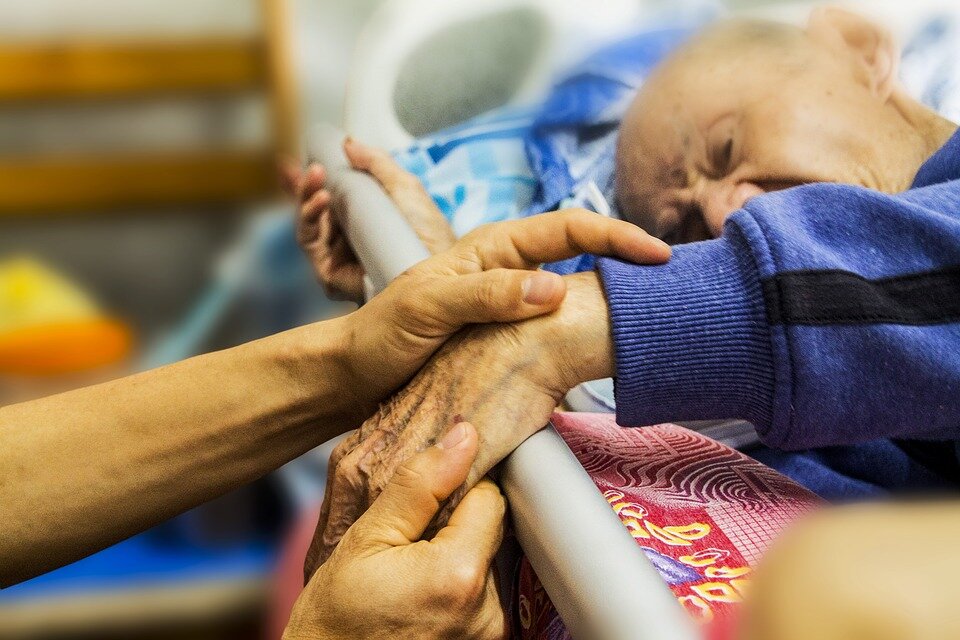
Sir James Parkinson in 1817 was the first to describe the symptoms of the disease. Parkinson's is a neurodegenerative disease that does not affect only the elderly, as one might imagine, but also young people under 20 years old. Parkinson's disease is caused by the loss of nerve cells in an area of the brain called the substantia nigra. These cells produce an important substance that regulates body movements called dopamine. The lack of dopamine leads to the slowing down and lack of coordination of movements. For this reason, drugs will be used that will try to control, restore dopamine levels The main symptoms are: i involuntary movements of one or more parts of the body (tremor), slowness of movements (bradykinesia), muscle rigidity, memory disorders, fear of falling, anxiety, depression. It is the most common neurodegenerative disease after Alzheimer's. It has been observed that exposure to pesticides, heavy metals, industrial chemicals promotes the onset of the disease, while a Mediterranean diet, a healthy lifestyle, no smoking, could counteract the onset of the disease. Unfortunately, there is still no definitive cure for Parkinson's, the available drugs only slow down the progression. The diagnosis is essentially based on the symptoms, the patient's medical history, and a thorough physical examination. According to the guidelines of the English National Institute for Health and Care Excellence (NICE), it is necessary to involve the patient, family members and/or caregivers in all therapeutic decisions and to take into account the clinical conditions, needs and life circumstances of the patients, as well as therapeutic objectives and preferences regarding the potential benefits and side effects of the different drugs. The only solution is to invest in genetic research, less weapons and more health.