The Senate approves the bill regulating defibrillators in extra-hospital settings. This law aims to promote the progressive dissemination and use of semi-automatic and automatic external defibrillators (AEDs): - at the offices of public administrations referred to in Article 1, paragraph 2, of Legislative Decree March 30, 2001, no. 165, where at least fifteen employees are employed and which have services open to the public; - in airports, railway stations, and ports, on board air, rail, maritime, and inland navigation transport vehicles that operate continuous routes, without the possibility of intermediate stops, lasting at least two hours and, in any case, at public service operators referred to in Article 2, paragraph 2, letter b), of the digital administration code, referred to in Legislative Decree March 7, 2005, no. 82, as well as extra-urban transport services under concession. AEDs installed in public places must be placed, where possible, in cases accessible to the public 24 hours a day and appropriate signage must indicate the location of the device in a clearly visible and unambiguous manner, according to current international coding. Local authorities may encourage, also through the identification of incentive measures, the installation of AEDs in shopping centers, condominiums, hotels, and facilities open to the public, in compliance with the balance of their respective budgets and current regulations. The use of semi-automatic or automatic defibrillators is permitted, in the absence of trained healthcare or non-healthcare personnel, in cases of suspected cardiac arrest, even by those who do not have the required qualifications. Article 54 of the penal code applies to those who, not possessing the aforementioned qualifications, in an attempt to assist a victim of suspected cardiac arrest, use a defibrillator or perform cardiopulmonary resuscitation. Obligation for sports clubs to share the AED with those who use the facilities themselves. The AED must be registered with the operations center of the territorially competent “118” emergency medical system, to which must also be communicated, through appropriate IT forms, the exact location of the device, its characteristics, brand, model, expiry date of perishable parts such as batteries and adhesive pads, as well as public accessibility hours. In public places where a registered AED is present, there must be a person responsible for the proper functioning of the device and for providing adequate information to users. Cardiac arrest, the leading cause of death, has a survival rate of 2%, the goal is to raise the percentage above 60%. The first 5 minutes are vital, every minute that passes reduces hope. Let us hope that this new bill is put to good use. Lapaginadinursingup

Quisque velit nisi, pretium ut lacinia in, elementum id enim. Mauris blandit aliquet elit, eget tincidunt nibh pulvinar a. Lorem ipsum dolor sit amet, consectetur adipiscing elit. Pellentesque in ipsum id orci porta dapibus. Sed porttitor lectus nibh. Cras ultricies ligula sed magna dictum porta. Praesent sapien massa, convallis a pellentesque nec, egestas non nisi. Quisque velit nisi, pretium ut lacinia in, elementum id enim. Donec rutrum congue leo eget malesuada. Nulla quis lorem ut libero malesuada feugiat. Curabitur non nulla sit amet nisl tempus convallis quis ac lectus.
Lorem ipsum
Find out all the details

The change starts with you
Wellness starts with you
Don't be verbose and make your lyrics simple. Be creative and original, avoid banal and redundant phrases and always keep in mind that your target audience will read you.

Write a captivating title.
Use this space to write your website texts. Remember to eliminate all that is superfluous and anything that does not add anything new to your texts. In this way you will be able to capture the attention of visitors on the contents of your website.
Approvato DDL defibrillatori. Potranno usarlo anche cittadini senza requisiti.
Approvato DDL defibrillatori. Potranno usarlo anche cittadini senza requisiti.
2021-08-09 22:41
2021-08-09 22:41
Vincenzo
Vincenzo
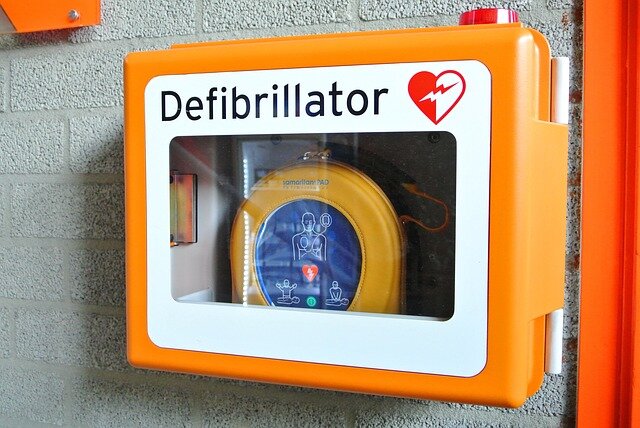
L'uso del defibrillatore semiautomatico o automatico è consentito, anche a chi non sia in possesso dei requisiti...
Sanità al limite, servono scelte vere
2026-04-07 07:51:00
2026-04-07 07:51:00
Vincenzo
Vincenzo
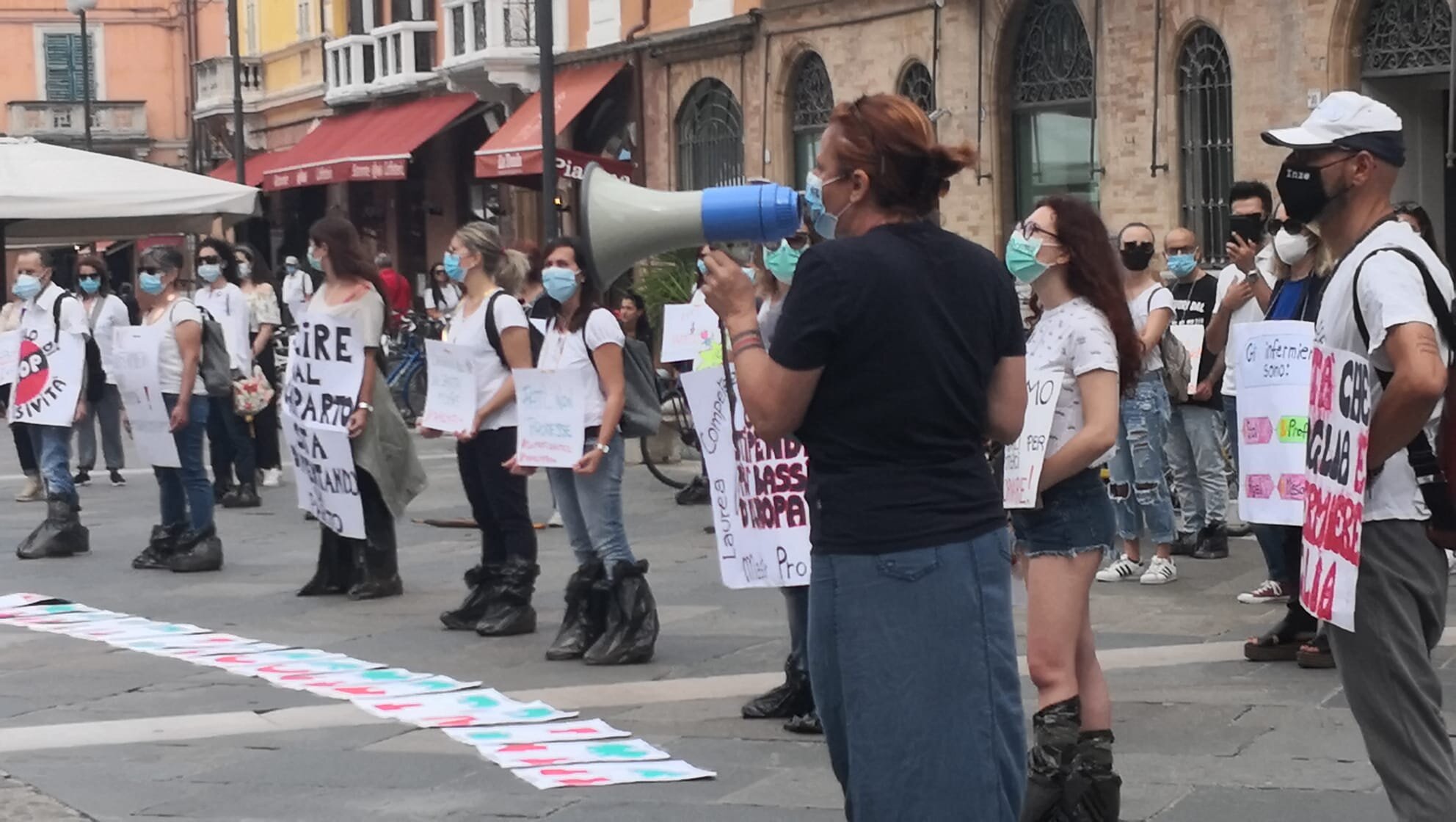
Manca personale: il 25 maggio presidio Nursing Up a Ravenna
2026-05-22 08:29:00
2026-05-22 08:29:00
Vincenzo
Vincenzo
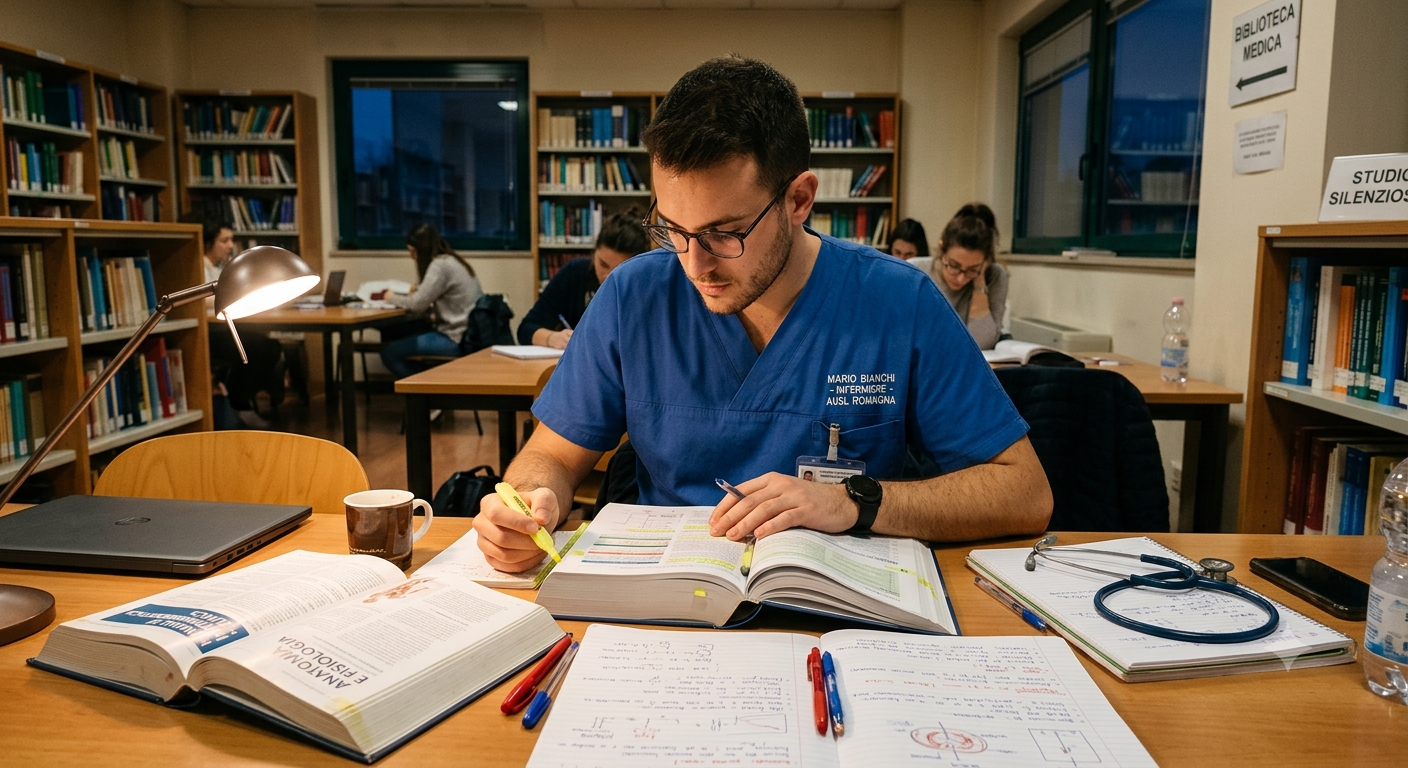
Nuove Magistrali Infermieristiche: pronti alla partenza
2026-07-07 07:29:00
2026-07-07 07:29:00
Vincenzo
Vincenzo