On 30/01/2021, in a worldwide live broadcast, the Centro Cardiologico Monzino in Milan, one of the Italian centers of excellence, with Professor Tondo's team, showed the entire scientific world an ablation procedure using an innovative technology.
Atrial Fibrillation, for non-medical readers, is a very common form of arrhythmia, where there is a lack of coordinated and rhythmic contraction of the atrium compared to the ventricle.
This could lead to very serious problems, among which the most significant is the formation of clots that could end up in the brain (stroke), lungs (embolism), kidneys (renal infarction), intestinal vessels (intestinal infarction), ischemia in any organ or limb. The causes can be many: congenital, post-infarction, due to valvulopathies, myocarditis, cardiomyopathies, electrolyte imbalances, thyroid, embolisms, surgical interventions, etc. etc.
One in 12 elderly people is affected and it can cause a 30% loss of cardiac function
According to Eurostat, cases of AF in 2060 will be double those of today, about 14.5 million.
For those affected by AF, after an accurate medical history, the doctor decides what to do. Usually, at first, an attempt is made to restore the rhythm within the first 48 hours, otherwise after anticoagulant therapy is performed, another attempt is made to end the arrhythmia.
The methods at our disposal are pharmacological cardioversion (antiarrhythmics) or electrical cardioversion (which should resynchronize the electrical activity).
If drug therapy is ineffective, ablation of the atrioventricular node with subsequent pacemaker placement may be attempted.
All these options are not without risks.
Today, however, thanks to an Italian center of excellence, the Centro Cardiologico Monzino in Milan, which has demonstrated an ablation procedure using a new technology (cryoballoon) that will improve the effectiveness of cold ablation, cryoablation.
The Monzino Center of Excellence was already famous for a new mini-surgery technique, used on those patients where even ablation had not had a positive outcome, which had a success rate of over 90% of treated patients.
This mini-surgery technique, performed in a sophisticated, modern, multifunctional, and specially equipped operating room, consists first of mapping the foci (where the electrical signal is altered), a minimally invasive 3D thoracoscopic surgery on a beating heart where the areas with defective signals are isolated. A new electrophysiological check is then performed to verify the disappearance of the foci and the restoration of rhythm, with the possibility of retreatment if any small focus capable of causing fibrillation remains.
In addition to this mini-surgery technique, which was already at the forefront, Monzino once again surprises the world with a procedure of about 40 minutes and with a radioscopy time of only 8 minutes. Returning to cryoablation, the new device, fourth generation is characterized by a balloon tip that is about 40% shorter than traditional balloons, and thanks to the features of the new device, it was possible to achieve spontaneous conversion to sinus rhythm during the procedure, confirmed in real time. The first published description of a cryoablation with a latest-generation device. The balloon, in addition to applying cryoenergy, isolates the pulmonary veins, introduced into the left atrium via catheter, inflated and cooled down to -60° C. Compared to ablation with a radiofrequency (RF) catheter, the procedure allows the goal to be achieved more simply, quickly, and is less operator-dependent. Since the procedure is faster, it also requires lower levels of sedation.
Quisque velit nisi, pretium ut lacinia in, elementum id enim. Mauris blandit aliquet elit, eget tincidunt nibh pulvinar a. Lorem ipsum dolor sit amet, consectetur adipiscing elit. Pellentesque in ipsum id orci porta dapibus. Sed porttitor lectus nibh. Cras ultricies ligula sed magna dictum porta. Praesent sapien massa, convallis a pellentesque nec, egestas non nisi. Quisque velit nisi, pretium ut lacinia in, elementum id enim. Donec rutrum congue leo eget malesuada. Nulla quis lorem ut libero malesuada feugiat. Curabitur non nulla sit amet nisl tempus convallis quis ac lectus.
Lorem ipsum
Find out all the details

The change starts with you
Wellness starts with you
Don't be verbose and make your lyrics simple. Be creative and original, avoid banal and redundant phrases and always keep in mind that your target audience will read you.

Write a captivating title.
Use this space to write your website texts. Remember to eliminate all that is superfluous and anything that does not add anything new to your texts. In this way you will be able to capture the attention of visitors on the contents of your website.
Fibrillazione atriale. Un eccellenza italiana mostra al mondo come si fà.
Fibrillazione atriale. Un eccellenza italiana mostra al mondo come si fà.
2025-05-15 06:24
2025-05-15 06:24
Vincenzo
Vincenzo
fa-infermieri-cuore-aritmie-minichirurgia,
In diretta mondiale, un eccellenza italiana ha mostrato al mondo scientifico intero, una procedura di ablazione utilizzando un'innovativa tecnologia.
Sanità al limite, servono scelte vere
2026-04-07 07:51:00
2026-04-07 07:51:00
Vincenzo
Vincenzo
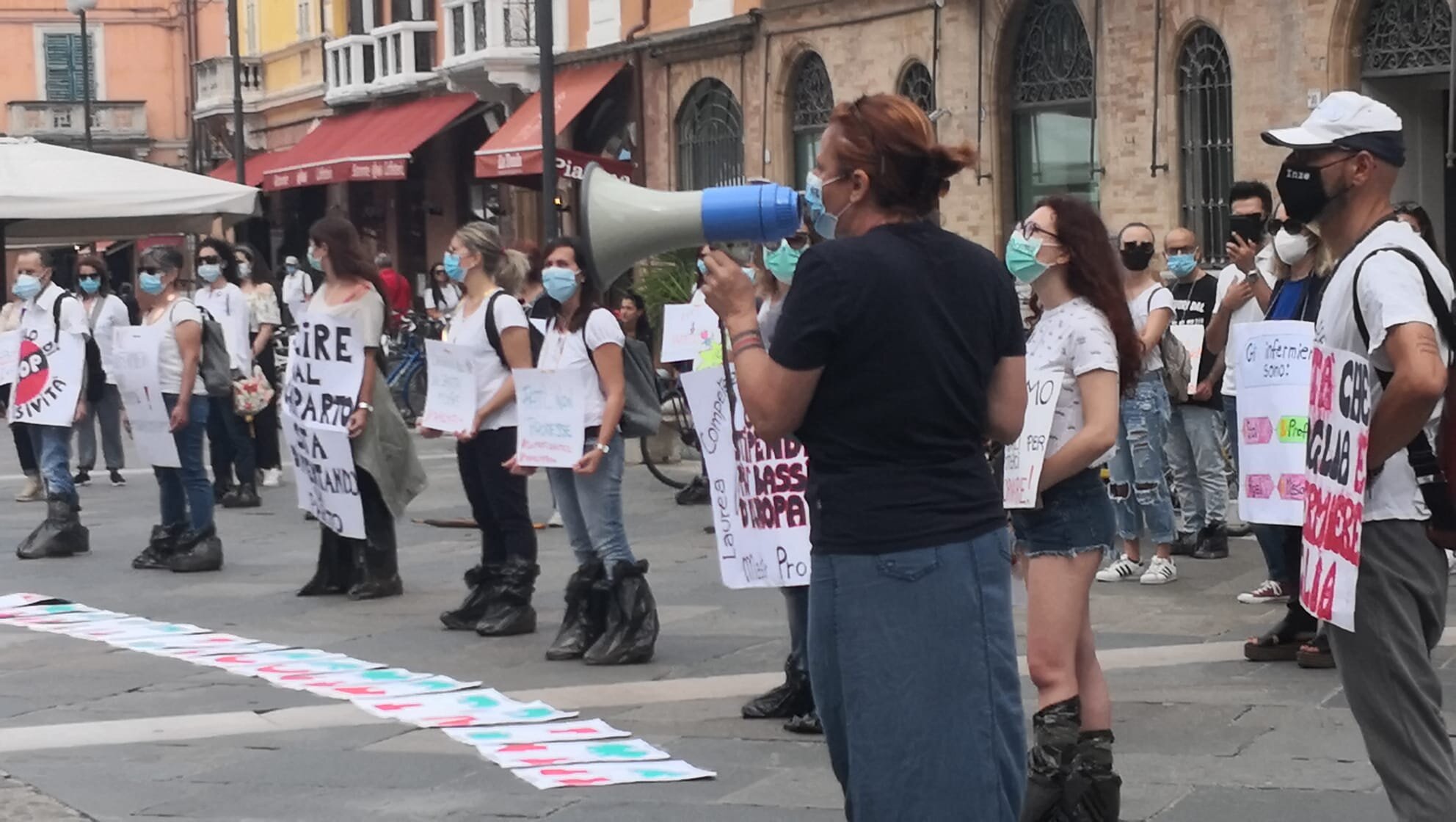
Manca personale: il 25 maggio presidio Nursing Up a Ravenna
2026-05-22 08:29:00
2026-05-22 08:29:00
Vincenzo
Vincenzo
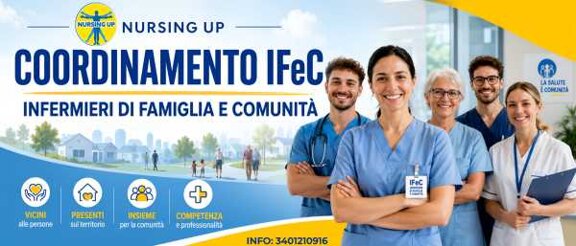
.jpeg "Infermieri di famiglia e Comunità, proposta Nursing Up")
Infermieri di famiglia e Comunità, proposta Nursing Up
2026-06-17 19:09:00
2026-06-17 19:09:00
Vincenzo
Vincenzo