

Lhe journal Nature Chemical Biology published the research of an international group of Canadian and American scientists, in collaboration with MIT and other leading institutes.
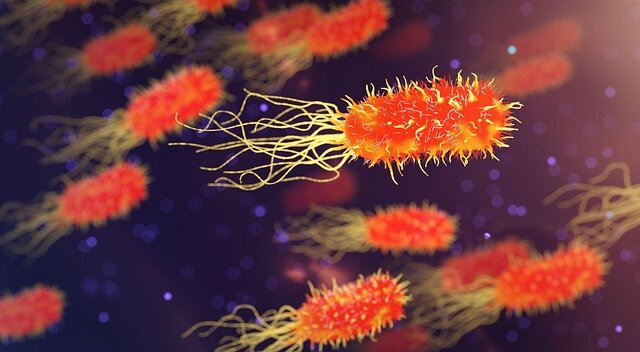
The researchers decided to use artificial intelligence to identify chemical structures capable of killing one of the most threatening bacteria for humans, as defined by the WHO. A bacterium that causes serious nosocomial infections, difficult to treat due to its high resistance to antibiotics.
Acinetobacter baumannii was first described in 1911 by the Dutch microbiologist, Prof. Beijerinck.
Infections from Acinetobacter baumannii particularly affect immunosuppressed patients, and mainly manifest as respiratory tract infections, urinary tract infections, wound infections, pressure sore lesions, and meningitis.
Today, to fight the bacterium, combinations of several antibiotics (carbapenems, ampicillin, colistin, etc.) are used, but the desired results are not always achieved. Prevention remains the best weapon, hand washing and isolation of infected patients are essential.
Let's go back to the research, the scientists submitted about 7000 molecules to artificial intelligence, asking it to select those most effective in defeating the bacterium. The AI chose 240 molecules out of the 7000 proposed, and the scientists differentiated nine of these 240 molecules, including abaucin which stood out for its specificity, as it is capable of killing only A. baumannii, leaving other bacteria intact.
Abaucin proved effective in treating wounds infected by A. baumannii in mice, also showing effectiveness against strains of the bacterium resistant to various antibiotics, isolated from human patients. However, before it can be used in clinical practice, abaucin will have to undergo a long process of experimentation and approval, as required by current regulations.
Let us remember that another study, which you can view here, states that one more nurse means fewer infections and hospital deaths. More nurses means less public spending on drugs and dressings, saving millions of euros annually.
Artificial intelligence represents the future, it can open new frontiers in various fields, from technology to medicine. If used for good and not for military purposes, it could improve the quality of our lives and our health.
lapaginadinursingup@yahoo.com