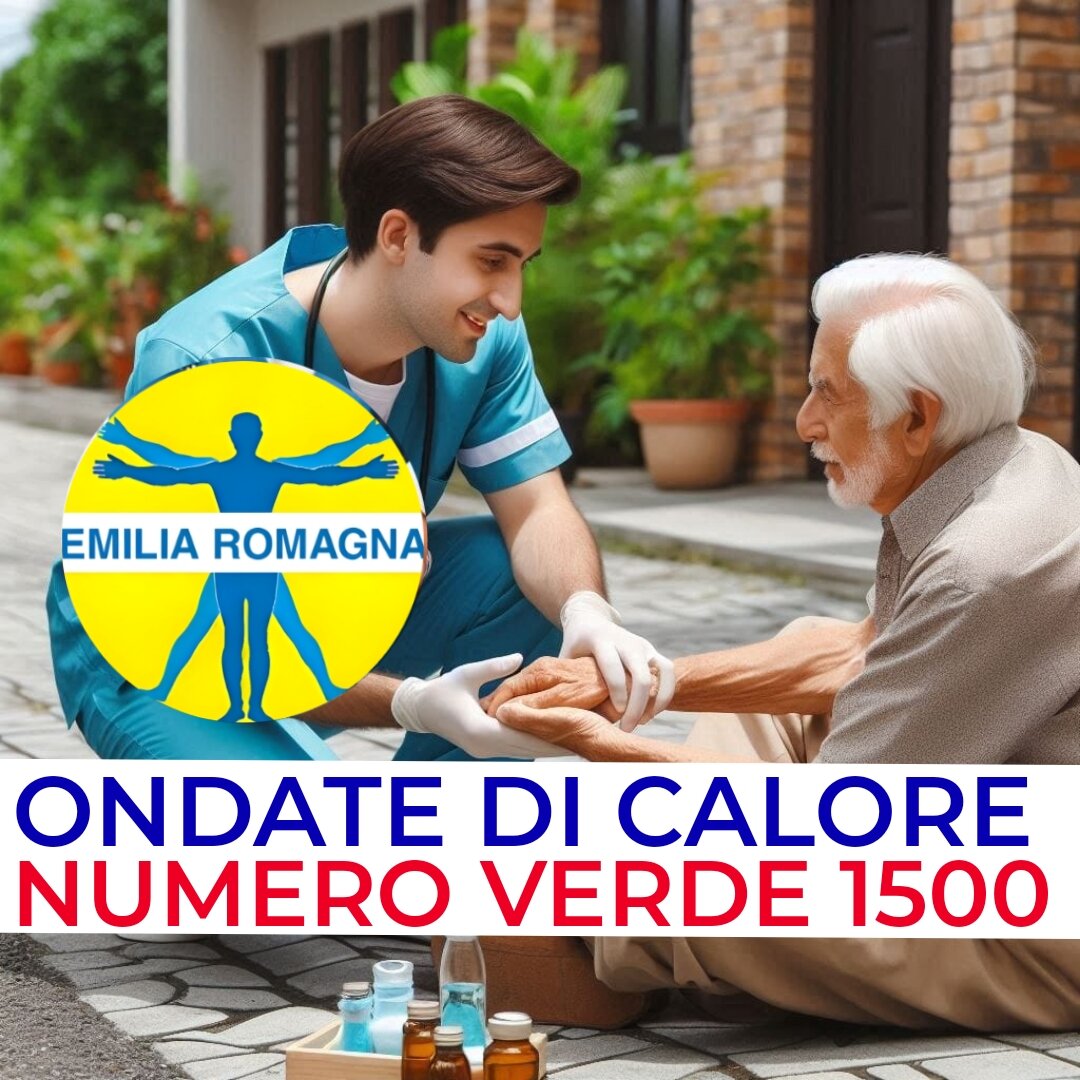
Heat emergency: toll-free number 1500 is active. Here are the tips to protect yourself With the arrival of summer, the heat can pose a serious threat to health, especially for the elderly, children and pregnant women. To address the problem, the Ministry of Health has reactivated the toll-free number 1500, active to provide assistance and useful guidance during heat waves. The toll-free number 1500 offers practical advice on how to behave on the hottest days and information on available social and health services. This year, the service has also been extended to workers and businesses, with specific guidance on risks related to heat exposure in the workplace. Analyses by the Ministry show an increase in mortality during heat waves, with an average increase of 50% in the North-West regions, particularly among the elderly. Children and pregnant women are also particularly vulnerable. For this reason, the role of nurses and all health personnel is fundamental in educating the population on how to protect themselves effectively. Here is the list of 10 tips to protect yourself from the heat: Avoid going out from 11:00 am to 6:00 pm: wear light-colored hats, sunglasses, and sunscreen. Dress lightly: wear light, loose-fitting clothes, preferably linen or cotton. Protect your home from the heat: close windows exposed to the sun and keep the indoor temperature between 24°C and 26°C. Cool off frequently: wet your face and arms, take lukewarm showers, use damp cloths on your neck. Avoid heavy physical activity during the hottest hours. Drink often: at least 2 liters of water per day, unless contraindicated. Avoid alcohol and carbonated/sugary drinks. Eat light foods: prefer fruit and vegetables, avoiding fried, salty, and heavy foods. In the car: air-condition before letting passengers in, avoiding sudden temperature changes. Store medicines and food properly: keep them in cool places and away from heat sources. Headache Tachycardia Muscle cramps Loss of consciousness High body temperature Intense thirst Weakness Fatigue In case of illness: lay the person down with their legs raised, cool face and arms, and if conscious, give small sips of water. If symptoms persist, contact the single emergency number 112 immediately. For more information and to download the flyer with all the tips, you can visit the Ministry of Health website.Ten tips to protect yourself from the heat
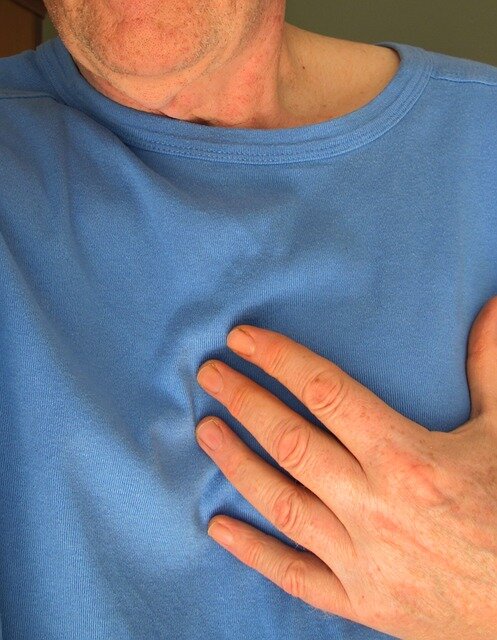
Recognizing the symptoms of heat distress