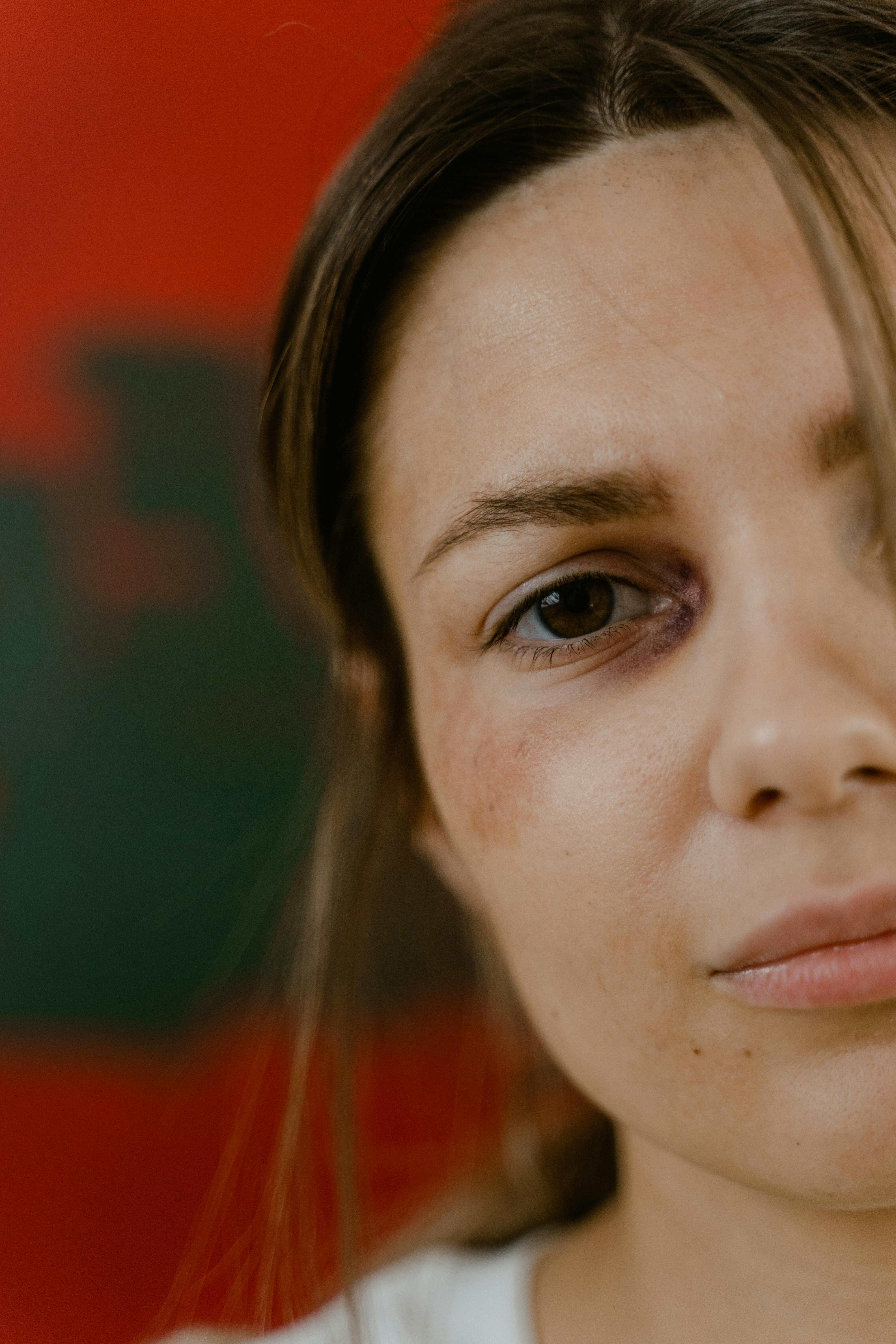
Violence against healthcare workers: a growing phenomenon that can no longer be ignored Assaults and acts of violence against healthcare, care, and social-health workers represent a constantly increasing phenomenon. The vast majority of these episodes — especially verbal and psychological violence, but also physical — are not reported. According to estimates, about 70% of cases do not reach the authorities. INAIL reports that, out of the total number of injuries, the percentage related to violence does not show significant differences over time nor between different geographical areas. Furthermore, the distribution by age group of operators who are victims of assaults does not show particular deviations compared to that of healthcare workers who suffer other types of injury. The Ministry of Health has issued a specific recommendation on the subject, including “death or serious harm following violence against an operator” among the sentinel events to be reported through the SIMES flow. As early as 2002, the World Health Organization (WHO) defined workplace violence as the main professional risk factor for the health of healthcare workers. Assaults can have serious psychological and psychiatric repercussions: stress, burnout, post-traumatic stress disorder (PTSD), anxiety disorders, and depression, even in severe forms. A 2019 survey by the University of Tor Vergata found that, among assaulted nurses, 43.1% suffered spitting. This is followed by throwing objects, scratches, slaps, punches, shoves, kicks, and, although in rarer cases, even bites (0.3%). To all this are added verbal assaults: insults, threats, sexual harassment, and groping. The psychological consequences can be devastating: anger (58.8%), sense of helplessness, anxiety, disgust, sadness, fear, and much more. The National Institute for Occupational Safety and Health (NIOSH) of the United States defines workplace violence as: “Any assault, threatening behavior, verbal or physical abuse that occurs in the workplace.” Usually, assaults begin with hostile words, then threatening gestures, evolving into shoves, physical contact, and, in the most serious cases, the use of objects or weapons. In 2019, the WHO, in collaboration with Nursing Up, reported a worrying increase in verbal harassment, discrimination, and physical violence against healthcare personnel. In the same year, Nursing Up made a strong appeal to the institutions for the restoration of permanent police stations in hospitals, which had long been removed from many facilities. President Antonio De Palma also announced the introduction of insurance coverage for nurses who are victims of assaults. Also in 2019, in Emilia-Romagna, LapaginadiNursingUp activated an anti-violence help desk thanks to the commitment of regional manager Francesca Batani. The help desk, active for two years, offered support, listening, and guidance to dozens of colleagues, who still express their gratitude today. In 2020, the document “Safe Emergency Room and Safe Stations” was drawn up, a project by Nursing Up Romagna and promoted by provincial manager Gianluca Gridelli, with the support of Francesca Batani. The document was delivered to all prosecutors during various flash mobs in Rimini, Ravenna, and in front of the Emilia-Romagna Region headquarters, with the aim of raising institutional awareness on this issue, which is as serious as it is urgent. Our proposals: Official report by healthcare facilities, which should act as civil parties in criminal proceedings against attackers. Establishment of permanent observatories in every healthcare company, with monitoring tasks and, if necessary, the activation of 24-hour surveillance services. Strengthen the anti-violence bill for healthcare workers. Restore permanent police stations in hospitals. Nursing Up Emilia Romagna will continue to strongly support every initiative aimed at guaranteeing the physical and psychological safety of healthcare workers. The protection of those who care must be a priority of the State.
According to the data, 1 nurse out of 10 has suffered physical violence and 4% have been threatened with a firearm. 79% of the victims are women.