In medical and surgery degree courses, they teach how important the gut is for the health of our brain, but the link between the gut flora and the health and aging of the central nervous system had never been demonstrated.
Researchers at the University of Florence, had already noticed the effects of a fecal microbiota transplant from old mice to younger mice. The research showed that it was possible to make young mice age by transplanting the microbiota of old mice into their gut.
A new Irish study transplanted the microbiota of young mice into that of the elderly, and the performance of the elderly mice immediately improved in every way. A reversal of memory, learning, even immune function was observed. It is probably the immune system that plays the key role, reducing the systemic inflammation that occurs with aging.
These studies are not yet applicable to humans, but they open a new path for future researchers.
We are sure there will be more attention to promoting the health of our gut, perhaps with diets aimed at preserving the microbiota, which has always promised to preserve the health of our body, but it was not known to what extent.
Other studies have also been done on the gut, not surprisingly, it has been seen that an unhealthy gut is linked to metabolic disorders, obesity, diabetes, etc.
Other studies have even found links with epilepsy, proposing special diets that would help the gut microbiome, with consequent prevention or reduction of epilepsy. While research continues, we, hoping to do something useful, offer you some small tips to help your gut:
A stressful life, prolonged antibiotic therapy, alcohol and smoking abuse, unhealthy lifestyles, could alter the gut microbiota.
When talking about the gut, one cannot help but talk about probiotics, prebiotics, and symbiotics.
Probiotics: derived from the Greek "pro-bios" meaning 'in favor of life'. Live and active microorganisms that strengthen our gut. Found in food (kefir, yogurt, sauerkraut, fermented pickles, miso, tempeh, cheeses and baked goods, etc.) or supplements (always taken on medical advice).Prebiotics: contained naturally in some foods, they nourish the probiotic microflora (soy, oats, wheat flour, bananas, honey, apples, wheat germ, garlic, kiwi, onion, beans, leeks, etc.), but also through supplements, which we suggest you take on medical advice. Prebiotics should not be confused with lactic ferments, which are important but not vital.
Symbiotics: a combination of prebiotics and probiotics (taken individually they may fail), they promote the survival of probiotic organisms and on the other hand promote the formation of intestinal bacterial flora (Bifidobacteria + fructooligosaccharides, Lactobacilli + lactitol, Bifidobacteria + Galactooligosaccharides).
A healthy gut also means better absorption of electrolytes, iron, better peristalsis, less inflammation, etc.
A diet should never lack royal jelly, turmeric, ginger, carrots, seaweed, extra virgin olive oil, plenty of seasonal fruit, are great remedies. Also, don't forget to drink, it's very good for our gut.
Foods rich in Vit D: Salmon, trout, swordfish, herring, sardines, eggs, mackerel, milk, mushrooms, beef and cod liver, chocolate, etc.
Grapes, then, according to a study, are an effective weapon against flu viruses.
Foods rich in Vit C: Currants, parsley, citrus fruits, kiwi, mango, cabbages, broccoli, peppers, chili pepper.
Vitamin B group: milk, eggs, legumes, spinach, broccoli, cabbages, fish, etc.
Herbal teas, herbal medicine also helps our immune system: Echinacea, rosehip, thyme, horsetail, etc.
Propolis, coffee or ginseng are also good, without overdoing it.
Meditation or other forms of relaxation such as breathing techniques.
Sleep at least 8-12 hours (going to bed early is healthy).
LapaginadiNursingUp

Lorem ipsum dolor sit amet, consectetur adipisicing elit, sed do eiusmod tempor incididunt ut labore et dolore magna aliqua.
Incredibile ricerca, cervello ringiovanisce grazie all'intestino.
Incredibile ricerca, cervello ringiovanisce grazie all'intestino.
2025-05-21 07:04
2025-05-21 07:04
Vincenzo
Vincenzo
cervello, ricerca, invecchiamento, ringiovanire, trapianto, feci,
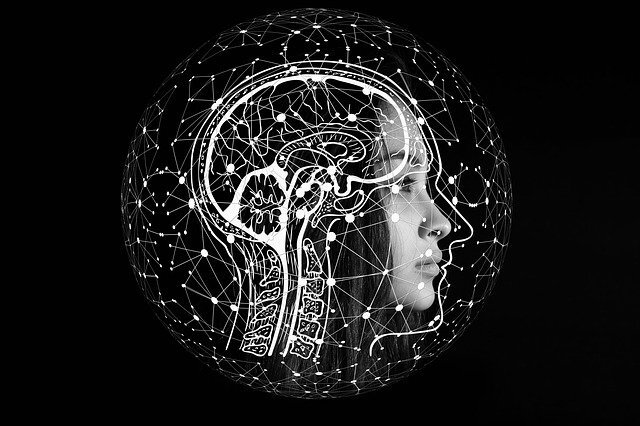
Una nuova ricerca irlandese ha trasportato il...

Sanità al limite, servono scelte vere
EMILIA-ROMAGNA – Accogliamo con attenzione le linee di programmazione e finanziamento del sistema sanitario regionale per il 2026, che prevedono uno s
2026-04-07 07:51:00
2026-04-07 07:51:00
Vincenzo
Vincenzo

Manca personale: il 25 maggio presidio Nursing Up a Ravenna
Nursing Up informa colleghi, cittadini e istituzioni che lunedì 25 maggio, dalle ore 11:15 alle ore 12:30, sarà presente in presidio davanti alla Dire
2026-05-22 08:29:00
2026-05-22 08:29:00
Vincenzo
Vincenzo
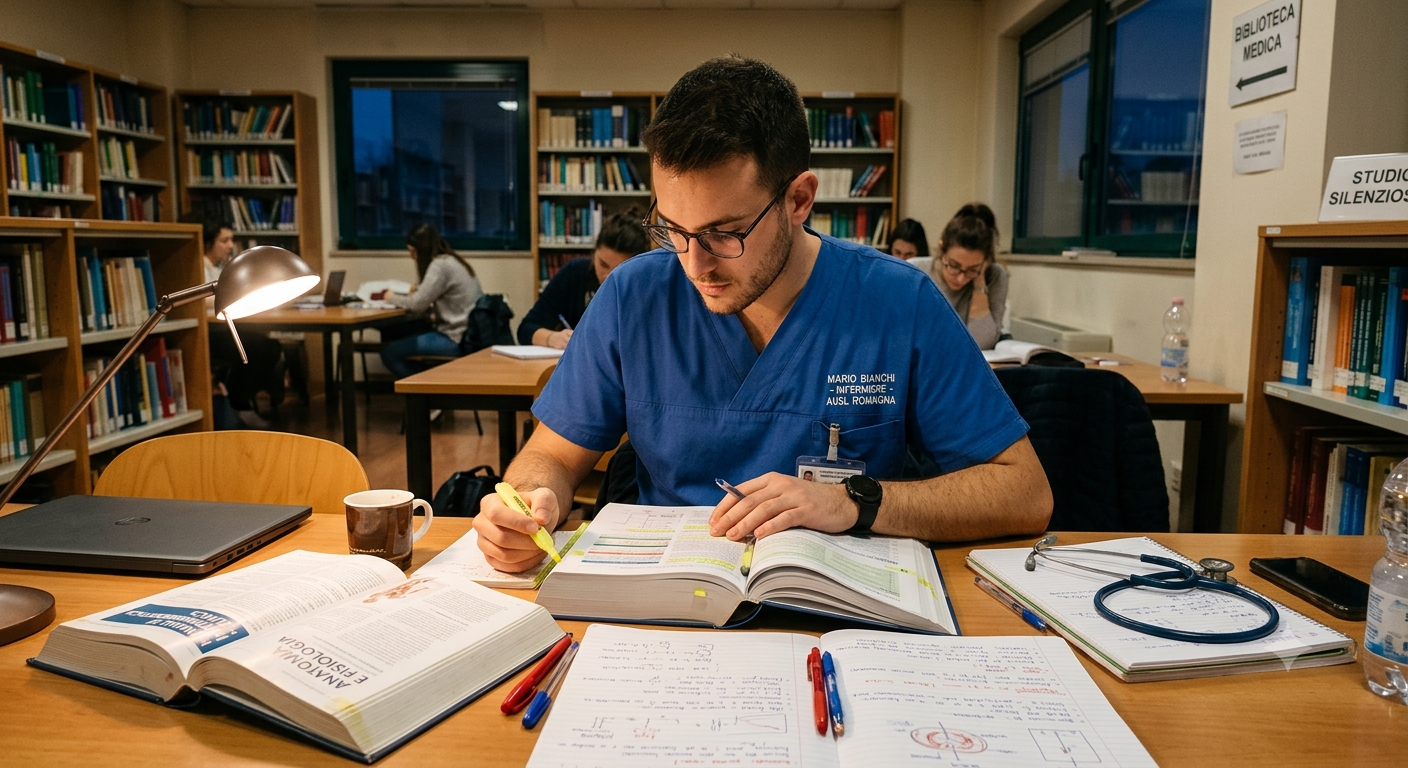
Nuove Magistrali Infermieristiche: pronti alla partenza
Lauree magistrali specialistiche infermieristiche: un passo avanti, ma ora servono riconoscimento, carriera e retribuzione Prende forma il nuovo asset
2026-07-07 07:29:00
2026-07-07 07:29:00
Vincenzo
Vincenzo
Lorem ipsum dolor sit amet, consectetur adipisicing elit, sed do eiusmod tempor incididunt ut labore et dolore magna aliqua.