Kidney failure is a silent disease, over 2 million Italians suffer from it unknowingly. We risk losing up to 90% of kidney function before having symptoms. Early management is vital to prevent or slow down kidney damage (as well as serious cardiac events), which, if neglected, can lead to a transplant or ending up on dialysis. Pay even more attention if, in addition to high blood pressure, you also suffer from diabetes. Blood pressure is the pressure of the blood in the arteries when it is pumped into the body by the heart. Blood pressure is constantly changing, higher when we get angry, excited, when we exercise, lower when we sleep. Monitoring blood pressure is the first piece of advice. Better if always at the same time, perhaps in the morning. It would be enough to regularly measure your blood pressure and do a simple urine test to know the state of health of your kidneys. A reduction in blood pressure is also associated with a 30% reduction in cardiovascular risk. Some tips to keep your kidneys healthy: Regular physical activity even a 3km walk a day would help the heart and kidneys, as well as keep belly fat under control. Reduce phosphorus, present in cured meats, dried legumes, nuts, chocolate, brewer's yeast, shrimp and offal, egg yolk, flours and bran, unsweetened cocoa powder. Reduce sodium present in brine (capers, olives, canned meats and fish), bouillon cubes and cheeses. Smoking increases blood pressure and accelerates the aging of blood vessels, hindering circulation. Reduce to a minimum the use of non-prescribed medications. Monitor your weight and prefer a Mediterranean diet, which would reduce urinary acidity, and therefore the workload for the kidney. Include legumes at least twice a week (chickpeas, beans, fava beans, lentils, lupins, peas, soybeans) and fish; reduce the weekly frequency of animal proteins (meat, cold cuts, eggs, cheeses and dairy products), eliminate visible fat; use extra virgin olive oil, preferably raw. Drink plenty of fluids, about two liters of water a day, also depending on physical activity, season, pregnancy, breastfeeding. Herbal teas and tea prepared at home with little sugar are fine. Avoid fruit juices that contain sugars and additives (phosphates or potassium) harmful to the kidneys. It is absolutely not easy, especially for food lovers.
Every year 12,000 Italians start dialysis; overall, dialysis patients exceed 60,000.

Lorem ipsum dolor sit amet, consectetur adipisicing elit, sed do eiusmod tempor incididunt ut labore et dolore magna aliqua.
Insufficienza renale per 2 milioni di italiani. Ecco qualche consiglio.
Insufficienza renale per 2 milioni di italiani. Ecco qualche consiglio.
2025-05-21 07:02
2025-05-21 07:02
Vincenzo
Vincenzo //www.lapaginadinursingup.it/favicon.png
reni-pressione-nefrologia-infermieri,
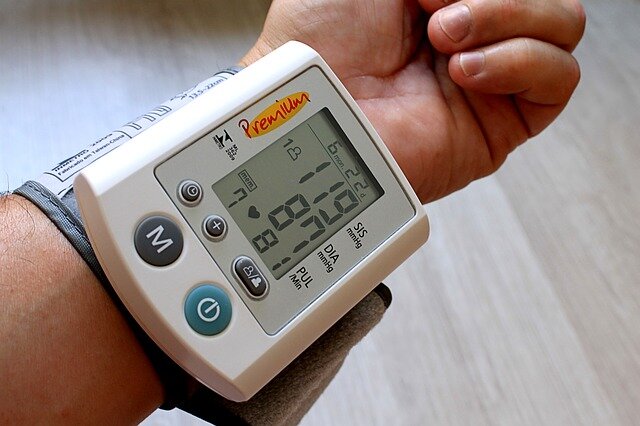
L’insufficienza renale è una malattia silenziosa...
- ESPERIENZA DA LONDRA
- INFERMIERI
- NURSING UP EMILIA ROMAGNA
- INFERMIERI EROI
- Carenza di personale
- FORMAZIONE CONTINUA
- Demansionamento
- Pronto soccorso sicuro
- Tutela donne
- CCNL SANITA'
- Prevenzione AIDS
- Ricerca e sperimentazione
- NURSING UP NAZIONALE
- Allarme
- AGGRESSIONI INFERMIERI
- Educazione alla Salute
- ANTISINDACALE
- Professione usurante
- Ausl Romagna
- Congedo paternità e parentale
- Covid 19
- Mobilità
- Politica
- Formazione
- Normativa
- Sciopero
- PROTEZIONE TOTALE
- Indennita'
- Convenzione
- Vertenza mensa o buono pasto
- Salute mentale
- Ausl Bologna
- Primo Maggio
- Ostetriche
- Vertenza Umbria Indennità turno ferie
- Sindacati
- Ausl Imola
- VIOLENZA OPERATORI SANITARI
- Il Cambiamento
- ISTAT
- Fuga del personale
- Intelligenza artificiale
- Bonus mamma
- Bonus Psicologo
- Stop precariato
- Guardiamo all'Europa: è tempo di un sindacato di categoria forte anche in Italia
- CCNL 2025-27: Nursing Up firma l'ipotesi di rinnovo, ecco le cifre
- Suicidio medicalmente assistito: tutelare il paziente, ma anche chi lo assiste
- Rinnovo CCNL Sanità: troppe ombre, Nursing Up lancia l'allarme
- CAU in AFT: a rischio il riconoscimento economico?
- Nuove Magistrali Infermieristiche: pronti alla partenza
- Graduatorie DEP, serve chiarezza e trasparenza
- Estate rovente in corsia: pazienti e operatori lasciati al caldo
- DEP 2025 AUSL Bologna: guida rapida per non sbagliare
- Nasce il Coordinamento IFec: Infermieri di Famiglia e Comunità
- Imola, la graduatoria OSS non va abbandonata
- Infermieri di famiglia e Comunità, proposta Nursing Up
- Sant'Orsola: infermieri ostaggi della carenza di personale
- 44 posti per Infermieri: concorso nell’Area Vasta Emilia Nord
- 118 milioni alle Aziende sanitarie: ecco le cifre, azienda per azienda
- I CAU funzionano davvero? Il caso del Maggiore: occasione mancata o spreco di risorse?
- Manca personale: il 25 maggio presidio Nursing Up a Ravenna
- AUSL Romagna, Nursing Up: servono chiarezza e garanzie
- Senza infermieri crolla il SSN. Il conto lo paga il cittadino
- Rinnovo CCNL 2025-27: Nursing Up chiede aumenti
- Sanità territoriale, Nursing Up dice no alla medico-centralità
- Detassazione 2026 nelle AUSL: tasse più leggere
- CCNL Sanità, parte la sfida decisiva: è il momento di ridare forza a chi cura
- Sant’Orsola, record nei trapianti. Nursing Up: bene, ma quanti sacrifici per il personale?
- Regione: conti in ordine. Nursing Up: bene, ora si investa nel personale
- Infermieri, è un’emergenza nazionale
- IRST Nursing Up: Richiesta immediata di rettifica delle buste paga
- Emilia-Romagna sul podio della longevità: nota del Nursing Up
- Sanità al limite, servono scelte vere
- Scandalo Mense, Nursing Up: Verifiche urgenti e tolleranza zero
- AUSL Romagna, svolta per le lavoratrici in allattamento
- Sintesi documento LM/SNT1
- Lauree Magistrali, serve chiarezza per tutti
- AFT: il nuovo nome dello stesso fallimento
- Relax in Calabria con Nursing Up
- SIGLATO ACCORDO INDENNITÀ PS
- Raccolte firme? No. Qui serve una vera rivoluzione politica e culturale
- Referendum 22 - 23 marzo. Informativa
- ATTENZIONE: DAL 16 MARZO RISCHI DI PAGARE DI TASCA TUA
- Sanità, Regione e sindacati fanno i conti senza l’oste
- “Lo avevamo detto”. Sui CAU serviva ascoltare gli infermieri
- Ausl Romagna: straordinari a raffica, graduatorie bloccate
- FNOMCeO attacca gli infermieri: la replica netta del presidente De Palma
- Indennità PS, la verità va detta tutta
- Nursing Up chiede assunzioni subito
- Sondaggio shock: infermieri insoddisfatti, il 96% lo definisce imbarazzante
- Dalla corsia allo scaffale: la fuga degli infermieri emiliani
- Indennità PS: Nursing Up Emilia-Romagna chiede risorse complete e trasparenza
- Stabilizzazioni: verso il posto fisso
- Libera professione: intervento Nursing Up
- Ausl Romagna: Nursing Up proclama stato di agitazione...
- Emilia Romagna: Nursing Up e Nursind, pronti alla mobilitazione
- Emilia-Romagna, 900.000 rinunce alle cure
- Fondo Perseo-Sirio: Opportunità o rischio?
- I diritti di mamma e papà, guida Nursing Up
- CCNL Sanità 2022–2024: l’orario di lavoro
- Indennità PS: Nursing Up solo contro tutti
- Ecco le nuove lauree infermieristiche: più autonomia sì, ma senza soldi
- PS: riconoscere il rischio, non distribuire a pioggia
- ECM 2026: guida pratica per chi deve ancora mettersi in regola
- Demansionamento in Ausl Romagna
- ASL Romagna, professionisti stremati
- Legge di Bilancio 2026: personale dimenticato
- 5,7 milioni di euro in progetti, Emilia Romagna
- Buon Natale dal Nursing Up
- Ferie non retribuite, un sopruso da fermare
- Risultato storico a Ferrara. Grazie Nursing Up
- Pensioni: così non è riforma, è sfruttamento
- Welfare 2026 e Bonus in Ausl Romagna
- Offerta Nursing Up 2026
- Indennità PS: La Nostra Battaglia in Regione
- Novità sulla Pronta Disponibilità
- Ferrara: DEP di nuovo sul tavolo—avevamo ragione noi!
- 11 dicembre, Nursing Up incontra la Regione
- Tredicesima
- Novità ECM triennio 2026/2028
- Disdire le assicurazioni ai sanitari è un rischio gravissimo
- Nursing Up: “Linee guida sbagliate. Pronti a nuove azioni legali”
- IL MINISTERO DA RAGIONE AL NURSING UP
- "Contro la violenza. Contro l’ipocrisia."
- Dopo le pressioni del Nursing Up, ora si attende il Ministro
- Convenzioni Nursing Up Emilia-Romagna
- Violenza in aumento in Emilia Romagna, intervento del Nursing Up
- Lazio, caccia ai camici “furbetti”
- Sanità: furbetti dell'inidoneità, Nursing Up chiede di non fare di tutta un'erba un fascio
- "Io Curo, Non Guido”. Ultimatum di Nursing Up
- Prelievo sugli straordinari: stangata di dicembre
- Legge 104: l’INPS chiarisce permessi e congedi. Stop referente unico
- Professionisti sanitari, ultima chiamata per gli ECM!
- Nursing Up: adeguare i buoni pasto a 8 euro e garantire la libertà tra mensa e ticket
- Loiano: alloggi gratis agli infermieri dal Sud America. Ma i nostri scappano
- Bonus Mamme e Bonus nuovi nati
- La fuga degli infermieri è una voragine. Denuncia Nursing Up
- Nursing Up Emilia-Romagna: “Infermieri ancora esclusi dalla libera professione”
- Ausl Romagna, stop alle POA e incertezza sui DEP 2025. Denuncia Nursing Up
- Legge di Bilancio 2026: luci e ombre per i sanitari
- 11 Corsi ECM gratuiti per te e Master da 550 euro
- Turni, ferie e vestizione: Nursing Up chiede rispetto delle regole
- Piacenza: politica e dirigenza scaricano sui professionisti le scelte errate
- Ausl Bologna: parcheggiare al lavoro può costare 840 euro l’anno
- Sanità in Emilia-Romagna: i cittadini rinunciano alle cure
- Dignità calpestata: Nursing Up accende la rivolta in Romagna
- Nursing Up ER: “Rapporto Agenas: "troppi medici e pochi infermieri”
- Pronto Soccorso: sintomo di un sistema malato
- Sanità Emilia-Romagna: più fondi, più progetti… ma senza infermieri non si va lontano
- Modena e Piacenza, senza personale non c’è sanità
- Figure ibride? No, grazie. Vogliamo rispetto e investimenti
- Gli infermieri: gli invisibili dietro i grandi traguardi della sanità
- Dai finanziamenti regionali alla priorità nazionale: la proposta del Nursing Up
- Novità, nuovi permessi per la 104
- Nursing Up in tribunale contro l’assistente infermiere: difendiamo infermieri, ostetriche e OSS
- Bonus Psicologo 2025: affrettati
- Proposta Nursing Up per garantire la sicurezza h24 degli operatori sanitari
- Nursing Up appoggia il progetto: Missione Volontari Operatori Sanitari per Gaza e Palestina
- Sanità: i professionisti producono, i dirigenti incassano
- Novità straordinari, la Cassazione
- "Crisi globale del lavoro: gli infermieri italiani fanalino di coda"
- 1,3 milioni di euro? Una goccia nel mare
- Medici e infermieri abbandonano l'Italia, l'allarme è rosso. Ecco la ricetta anti esodo
- Daspo negli ospedali, il no deciso di medici e Nursing Up
- Infermieri e OSS dicono no all'assistente infermiere. Basta sprechi
- Il grande furto agli infermieri
- Ausl Imola, personale aggredito di nuovo
- L’infermiere generico 2.0, di Dario Porcaro
- Il SSN collasserà in 5 anni: convergere subito in un solo sindacato, il Nursing Up
- Verità in corsia: il Nursing Up denuncia e propone soluzioni
- Violenza ai sanitari: nuove speranze e vecchi problemi
- Infermiere prescrittore: un rischio senza compenso adeguato
- Sciopero Sanità: Regole e Indicazioni per i Professionisti
- Nurisng Up Emilia Romagna ti porta in Trentino
- Diritto allo studio, stop discriminazione
- Sanità snobbata, la politica degli annunci
- Muro di gomma. Le difficoltà che ogni giorno il sindacato di categoria deve affrontare
- L’infermiere forense: una risorsa sottovalutata. Proposta Nursing Up
- Rammarico, di Dario Porcaro
- 72 Giorni di Riposo: La Chiave per Tutelare la Salute degli Operatori Sanitari
- Ovunque vada la folla, tu vai dall'altra parte. Loro si sbagliano sempre
- Classifica Eccellenze italiane, solo 35° nel mondo
- Guida al Procedimento Disciplinare nel Comparto Sanità
- Milleproroghe 2025: stabilizzazioni e requisiti
- La Sanità Italiana al Collasso: Un Urlo di Allarme per un Futuro Incerto
- Infermieri sotto pressione: Nursing Up diffida l'Ausl Romagna
- Istat, senza personale, senza cure: l’Italia rinuncia alla salute
- Romagna, piano assunzioni periodo estivo
- Sanità snobbata, ancora una volta
- Il cortocircuito dell'infermieristica italiana! Di Gianluca Gridelli
- Countdown ECM: Nursing Up Emilia-Romagna ti aiuta a metterti in regola
- Cassazione da ragione al Nursing Up
- Tutto sulle ferie: diritti, regole e consigli utili
- Basta con i vecchi sindacati, la rivoluzione è già iniziata. Unisciti a noi!
- Nursing Up in Regione. Colleghi, abbiamo bisogno di voi
- Sempre più soli: aggressioni ai sanitari in aumento in Emilia-Romagna
- Il Nursing Up incontra il Governatore De Pascale e l'Assessore Fabi
- Studio Allepre, Parma: Più Infermieri, Meno Recidive Cardiologiche
- Gli infermieri evitano Bologna
- LA SANITÀ ROMAGNOLA STA CROLLANDO: ORA BASTA!
- Diagnosi medica, IA batte 21 medici
- Solitudine: più morti di una guerra
- Ondate di calore, l' infermiere consiglia
- Italia ultima in Europa per vita/lavoro. Politiche inefficienti, largo ai giovani
- Ordine di Servizio: istruzioni per l'uso (non abusivo!)
- Infermieri: una professione nobile, ma dimenticatacoli
- Convenzione vetri auto, Nursing Up
- Infermieri, tricolore e diritti negati
- Antibiotico-resistenza, Italia in ritardo
- Sconfiggere il cancro: un impegno di tutti. Giornata mondiale
- La favola del SSN e dei sette comandanti
- Infermieri: servono più soldi, non più competenze. Fedriga e Nursind sbagliano
- Infermiera fa nascere una bimba in treno con l'ausilio in video chiamata di un ostetrica
- Stipendi infermieri nella media OCSE
- Infermieri di comunità intimiditi dal sindacato dei medici
- Infermieri primi per violenza subita
- Violenze verso gli operatori sanitari, sono in aumento o erano sottostimate?
- Licenziamento legittimo per chi non si forma, la cassazione
- Libera professione e lavoro occasionale negati, perché?
- Festivo infrasettimanale, chiarimenti
- 27 marzo: Nursing Up in Regione, per denunciare
- ITQF 2025: quattro ospedali emiliano-romagnoli tra i primi venti in Italia
- Il 10% degli infermieri picchiato, il 79% sono donne
- Li chiamano precari, di Alessandra Pignocchi
- Investire sugli infermieri oggi significa risparmiare domani
- Anziani non autosufficienti, cosa cambierà?
- Asilo nido e conciliazione vita lavoro
- Malattia e licenziamento, interviene la Cassazione
- Trasferta e servizio fuori sede nel CCNL
- Estinzione del rapporto di lavoro nel nuovo CCNL
- Tempo parziale nel nuovo CCNL
- Assenze per Malattia: Cosa Devi Sapere per Proteggere il Tuo Lavoro e la Tua Salute
- Infortunio sul lavoro nel nuovo CCNL
- Diritto allo studio nel nuovo CCNL
- La mobilità nel nuovo CCNL
- Tempo determinato nel nuovo CCNL (preavviso, diritti)
- Il nuovo contratto di lavoro individuale e il periodo di prova?
- Infermieri ostaggi. Politica e aziende ignorano le esigenze dei professionisti
- CAU: meno slogan, più risposte per cittadini e professionisti
- Referendum 8-9 giugno: indicazioni per i dipendenti della sanità
- Emilia Romagna, 50 milioni in tre anni per i sanitari
- ECM: Ultima chiamata! Dal 2026 scattano le sanzioni
- GLI INFERMIERI CHIEDONO STIPENDI NELLA MEDIA OCSE. FIRMA ANCHE TU.
- La grande fuga: Piacenza, Bologna, Parma, Modena restano senza infermieri
- Risultato sondaggio Nursing Up Emilia Romagna, stipendi imbarazzanti!
- Congedi per le donne vittime di violenza nel nuovo CCNL
- Ferie e recupero festività soppresse nel nuovo CCNL sanità
- La banca delle ore nel nuovo CCNL
- Lavoro notturno e straordinario nel nuovo CCNL sanità
- Servizio di pronta disponibilità nel nuovo CCNL sanità
- L'orario di lavoro nel nuovo CCNL sanità
- Ricostituzione del rapporto di lavoro nel nuovo CCNL
- Nuovo CCNL e transizione di genere
- 29 settembre, Giornata Mondiale del cuore.
- Addio a fecondazione, ovaie e spermatozoi, Creati i primi embrioni sintetici
- Danni da luce blu, come proteggersi. Prevenzione sanitaria
- Demansionamento e blocco ferie, intervento del Nursing Up
- Infermieri sfruttati e demansionati.
- Metaverso e professionisti sanitari. Siete pronti?
- Infermieri dall'estero. Duro intervento del Nursing Up, i nostri professionisti sono i migliori
- Ricerca, ripristinati organi un ora dopo la morte
- Incredibile, ecografie a casa e in alta definizione
- Legge 104 Stop referente unico. Novità congedi.
- Diritto al riposo, intervento di Laura Rita Santoro.
- Autogestione e professionisti sanitari. Duro intervento di Nursing Up e Nursind
- La professione infermieristica è lavoro usurante. Intervento del Nursing Up
- Eliminare il vincolo di esclusività, intervento del Nursing Up.
- Part time, interviene il Nursing Up
- Ospedali alla deriva, intervento del Nursing Up
- Indennità infermieristica
- Congedo mestruale
- Giornata Mondiale Alzheimer, patologia in aumento, le donne più colpite
- Senza infermieri, il DM 77 è carta straccia.
- Sanità in affanno: il grido dei professionisti emiliano-romagnoli
- Infermieri in sostituzione dei MMG? Ecco la verità.
- Periodo di prova nel nuovo CCNL Sanità
- CCNL, ecco le indennità e un richiamo alle novità
- Sclerodermia, poco conosciuta e diagnosi difficili.
- Sindaco Panieri incontra i sindacati di categoria.
- Perchè lavare i denti di sera previene ictus e infarti? Alcuni consigli degli infermieri.
- Dostarlimab, sparisce il tumore al colon in 12 pazienti. La svolta?
- Novità su congedi, lavoro agile e tutele minime. Approvato dal Consiglio dei Ministri.
- Uso e abuso della pronta disponibilita'
- Cosa sono le PEO? I tempo determinato ne hanno diritto?
- Lettera aperta agli Infermieri italiani e al Presidente De Palma.
- Ausl Imola in lutto. Comunicato stampa Nursing Up.
- Immunoterapia contro i tumori. Ecco i migliori centri.
- L'Italia non è un paese per infermieri
- Riuscito il primo xenotrapianto. Si apre una nuova era.
- Lettera di una collega. La politica italiana mi fa arrabbiare.
- Allarme AIDS in Italia, più 32%
- Mensa e pausa pranzo. Diritti e Cassazione.
- Domande sosta gratuita. Permesso Rosa.
- Reddito per le donne vittime di violenza
- Aiutare la ricerca scientifica ricevendo criptovaluta gratis.
- Il 54% degli ospedali gravi irregolarità
- Recidiva tumore al seno.
- Mobilita' negate. Proposta Nursing UP nei tavoli che contano.
- Alzheimer, costi insostenibili per le famiglie italiane.
- Incredibile ricerca, cervello ringiovanisce grazie all'intestino.
- Insufficienza renale per 2 milioni di italiani. Ecco qualche consiglio.
- Pillola 5 giorni dopo. Stop impegnativa.
- Sanzioni disciplinari
- L’Italia non è un paese per infermieri.
- Infermieri e sindacati dei medici dicono NO al Direttore Assistenziale.
- Furto in ospedale, cosa si rischia?
- Attenzione, infermieri chiamati a risarcire.
- Grandioso, ecco come avere una memoria di ferro. Ricerca NIH.
- Violenza sugli operatori sanitari: un allarme inascoltato
- Grandioso, ricercatori scoprono come sostituire un neurone danneggiato.
- Tocilizumab e tempesta citochinica
- Ecco i rischi del paracetamolo in gravidanza.
- Fantastico, una nuova ricerca promette di vincere l'obesità in poco tempo e senza grossi effetti collaterali.
- Infermieri a rischio suicidio, doppio rispetto alla popolazione generale. 70% in più del medico.
- Incredibile, trovato interruttore per spegnere la replica delle cellule tumorali.
- La Corte dei Conti da ragione al Nursing Up. 747.000 ricoveri in meno.
- Google Dermatology Assist, per la diagnosi precoce. Medici italiani preoccupati.
- Ultrasuoni per liberare le coronarie. Parma eccellenza italiana.
- Arriva il silenzio/assenso. Libertà a rischio in Italia.
- Privacy, fino a 150.000 euro di risarcimento per i datori di lavoro che la violeranno,
- Dottoressa in Psicologia ricoverata. il personale infermieristico ha grande umanità e un eccellente professionalità.
- Sanità in ostaggio, di Francesca Batani
- Chiedono sacrifici in cambio di sacrifici. Operatori sanitari stressati.
- Rischi e responsabilità sulla manipolazione farmaceutica. Raccomandazione n.19.
- Fibrillazione atriale. Un eccellenza italiana mostra al mondo come si fà.
- Eroi, ma solo quando serve.
- Demansionamento, lettera di una collega.
- Schiavi o professionisti polemici? Francesca Batani
- EROI MA PRIGIONIERI. LETTERA DI UN INFERMIERA.
- TUTELA LAVORATRICE MADRE
- TE LA DO IO LA DIRIGENZA! PARTE SECONDA
- TE LA DO IO LA DIRIGENZA!
- L'infermiere: professionista intellettuale, tra responsabilità e ingiustizie
- Tutela lavoratrice
- Sindrome da immobilizzazione.
- Lettera di un collega 118 AUSL ROMAGNA
- Sono innamorata di questa professione. Non scoraggiamoci.
- 12 maggio, un giorno di festa, un’occasione di lotta
- AUSL Romagna in caduta libera: la dirigenza affossa la sanità pubblica
- "Gestione pubblica o commedia? L’incredibile caso DEP"
- Si sentono tutti infermieri, finché non scappa il morto. Adesso chi paga?
- Meno cure, più armi: chi guadagna e chi perde nelle strategie del governo?
- Infermieri fuori dal comparto: la lotta per il giusto riconoscimento
- L'Italia perde 10.000 infermieri l’anno. Chi ci curerà?
- SSN al collasso e professionisti snobbati
- Libertà di Chi? Quando Sopravvivere è l’Unico Diritto
- Il Paradosso degli Infermieri: vittime o complici?
- Esclusiva Nursing Up: La Tua Vacanza da Sogno sulla Costa degli Dei!
- Addio al Pontefice che ha posto l'accento sul ruolo cruciale degli infermieri
- Nursing Up più forte, grazie a chi ha avuto coraggio
- Congedo parentale, aggiornamento 2025
- RSU 2025: Nursing Up per “un contratto giusto, serio e che dia risposte reali”: di Nurse24
- Emorragia di personale infermieristico in Romagna: un allarme crescente
- I permessi retribuiti nel nuovo CCNL
- Nursing Up incontra l’Assessore alla Salute Dr. Massimo Fabi
- L’Emilia Romagna Sta Affondando: La Sanità Pubblica Ha Bisogno di Noi!
- Reperibilità Volontaria Gratuita: La Dirigenza in Emilia Romagna Ci Prova, La Politica Sta a Guardare
- Accordo fondi residui in Ausl Romagna
- Infermieri sull’orlo di una crisi di nervi e il gioco dell’oca
- Infermieri e medici uniti, inizia la protesta. Ecco la data
- Aggressioni in corsia: quando la violenza è ignorata e la giustizia tace
- Nursing Up Salerno: una proposta concreta per valorizzare il personale dell'ASL
- È il momento di agire, di Daniele Lanzoni
- "SOS Sanità: Medici e Infermieri uniti per salvare il SSN dalla crisi"
- Un Nuovo Spreco di Denaro Pubblico: L’Assistente Infermiere
- Le ferie vanno retribuite, Corte Europea
- Flat tax, se lavori di più ti fanno lo sconticino
- "Stipendi da fame: l'Italia umilia i suoi angeli custodi"
- Allarme Rosso Infermieri: L’esodo continua inesorabile
- OSS anche di notte: perché l’assistenza non dorme mai! Raccolta firme Nursing Up Terni
- Dietrofront dell’Ausl di Bologna: Annullato il Tavolo di Confronto con i Sindacati
- Riorganizzazione ortopedia: il Nursing Up denuncia l’operato di Ausl e Rizzoli
- Nursing Up: omaggio alle vittime della strage alla stazione
- "CCNL peggiorativo: si umilia la professione. È ora di dire basta e di unirci sotto un unico sindacato"
- Riconoscere il Lavoro Usurante degli Infermieri: Un Appello Necessario
- Infermieri: È Tempo di Agire, Non di Lamentarsi
- OSS in pensione anticipata e riconoscimento di lavoro usurante. La Camera dice SI
- Nuovo Screening express: la spettroscopia a infrarossi svela i tuoi segreti
- Sole sì, ma con cautela: il decalogo dell'infermiere per una pelle sana
- Per 1600 euro. Poesia dedicata agli infermieri
- 40 bambini annegati, il messaggio degli infermieri
- "Allarme rosso: bambini dimenticati in auto, come evitarlo. I consigli degli infermieri
- La tua voce conta! Responsabilità o retribuzione? Partecipa al sondaggio e condividilo
- Assunzioni, valorizzazione e gettone da 70 euro più straordinario. Impegno Nursing Up Romagna
- Gli straordinari vanno pagati anche senza autorizzazione. Nursing Up aveva ragione
- Uniamoci per il futuro della professione!
- Infermieri sfruttati, politici distratti: chi pagherà il conto?
- Aperta la Campagna Acquisti Infermieri: La Fuga dei Professionisti Italiani
- Reclutamento di 189 operatori sanitari e 70 OSS
- Infermiera, figlia di una paziente. Bellissima lettera di una collega.
- Sindacalesimo o sindacalismo
- 11 Gennaio 1922, l'Insulina salverà milioni di vite.
- Studenti e sindacato: un dialogo per costruire il futuro del lavoro
- 350.000 denunce a infermieri, medici e oss. Ecco come difendersi
- Aumento denunce, povertà assoluta, infermieri in fuga: l'Italia verso il baratro?
- Assunzioni e incentivi in Ausl Romagna. Scegli Nursing Up
- Assistente per la salute, evoluzione o regressione?
- 5 anni di arretrati per l'indennità di turno su ogni giorno di ferie usufruito
- Assistente per la salute: nuovo supereroe? O tabbuchi a basso costo?
- Sostituire l’infermiere con altre figure non riduce la mortalità.
- Genitori lavoratori, la Cassazione riconosce il diritto alla mobilità: Nursing Up aveva ragione
- Chiediamo un aumento delle prestazioni orarie aggiuntive
- L'infermiere: professione intellettuale relegata a comparto sanità
- Uscire dal comparto sanità è possibile?
- Buoni pasto: diritti, opportunità e dubbi
- Comparto sanità, le ferie si perdono ? Corte Europea
- Prescrizione telefonica o via mail, cosa rischia l'infermiere ?
- Il diritto al riposo esiste ?
- Stress da reperibilità generica
- 3 6 7 un numero fortunato ? Punto di vista di un infermiere.
- Lavoro agile nel nuovo CCNL
- Infermieri chiamati in Tribunale come testimoni, utilizzano le proprie ferie?
- Sentenza trasferimento per 104
- Sollecito prestazioni aggiuntive, 50 euro
- Infermieri e OSS: connubio vincente e meno demansionamento
- "Svolta epocale: studio di Oxford scopre proteine che indicano la comparsa del cancro 7 anni prima
- Infermieri, è tempo di rivoluzione!
- Nursing Up: un mare di vantaggi ti aspetta! Perché iscriversi?
- ECM: Nuove regole, crediti e bonus per il triennio 2023-2025
- Formazione continua nel nuovo CCNL
- Demansionamento e risarcimenti. Contattaci
- Infermieri in fuga, Governo immobile, salute a rischio!
- Indennità di turno: riconoscimento anche durante le ferie per i dipendenti
- Salviamo la sanità, investiamo nel personale! Nursing Up al Governo
- Ostetriche: pilastri silenziosi della vita, tra passato, presente e futuro
- Mobilità interna, ingiusta e zero trasparenza
- Il datore di lavoro può revocare le ferie? Ecco tutto quello che c'è da sapere
- Precari e Decreto PNRR. Nursing Up: non c'è tempo da perdere
- Infermiera picchiata e rapinata a Cervia. Tolleranza zero e pene esemplari
- Bertolaso umilia gli infermieri? Compila ora il sondaggio anonimo
- Salviamo il SSN: Centralizziamo la Gestione! Firma la petizione
- 7 aprile, senza infermieri non c'è salute, è tempo di dare loro il valore che meritano
- L' intelligenza artificiale individua la molecola per uccidere il killer dei batteri
- Taglio delle auto mediche, il Nursing Up dice no e...
- Infermieri in fuga
- Professionisti sfruttati: ecco la soluzione per il Nursing Up
- Infermieri, siamo la forza più numerosa e qualificata del Paese. Ecco cosa fare
- Continua la diffamazione contro Nursing Up. Siamo scomodi al sistema, una voce controcorrente
- Mancano 80.000 infermieri, 8000 ostetriche e oltre 60.000 OSS. La politica propone gli assistenti
- Spremere i professionisti con i soldi dei professionisti. Interviene il Nursing Up
- Chi si prende cura di chi cura? Protesta del Nursing Up
- Diritto all'oblio, il diritto di essere dimenticati. Ecco come fare
- "Il SSN è un bene prezioso": professionisti sanitari in sciopero per difenderlo
- Violenza sulle donne: la politica deve fare di più
- Assenze improvvise, proposta Nursing Up
- La tua assicurazione, una garanzia per il futuro
- Regione Emilia Romagna, Nursing Up: un confronto aperto per migliorare la sanità regionale
- Speculazione e stipendi da fame, pronti alla piazza
- I dirigenti decideranno chi premiare. Chi giudica i dirigenti?
- Straordinari azzerati, azione legale del Nursing Up. Contattaci
- Infermiere Svizzera VS Italia. Le differenze contano
- Stress da lavoro: importante Sentenza apre al via a nuovi risarcimenti
- CCNL Sanità: Agnelli Sacrificali o Combattenti per i Propri Diritti?
- Salute mentale: un'emergenza silenziosa che richiede un'azione urgente
- "Pulizie, no grazie! L'infermiere non è un tuttofare
- Gestione assenze improvvise, proposta
- Gettonisti, sprecati 1,7 miliardi di euro: "Per il CCNL non ci sono soldi"
- Sottopagati, sfruttati e senza benefit: la dura realtà degli infermieri in Italia
- Basta aggressioni! #LAVIOLENZANONCURA
- Schiavi o professionisti? SSN in pericolo
- Non solo un giorno, ma un impegno per sempre: l'8 marzo con Nursing Up Emilia Romagna
- Convegno: Affrontare la Violenza contro le Donne nel Settore Ospedaliero
- SSN: un sistema allo sfascio
- Suicidio assistito: le opinioni degli infermieri
- La cura non è un algoritmo: investire negli infermieri per un futuro di salute.
- Ausl Romagna: ecco il regolamento sul lavoro fuori servizio
- L'importanza di un sindacato di categoria per i professionisti sanitari
- Congedo parentale 2024, le novità
- Sanità sull'orlo del collasso: medici, infermieri e professionisti sanitari per la prima volta uniti
- La sanità pubblica non è costo ma un investimento. Nursing Up scende in piazza
- Sondaggio anonimo, professionisti in fuga e ambiente lavorativo tossico. 15 secondi
- Pronto soccorso privato, Nursing Up dice NO
- Assistente materna, comunicato stampa Nursing Up
- Risparmiare sulle sale operatorie, Nursing Up dice NO
- L'infermiere può somministrare un vaccino in assenza del medico?
- Prima lettura della nuova busta paga in Emilia Romagna
- Gestione Ferie e Recuperi Ore
- Culla per la vita e il diritto a partorire in anonimato
- Parkinson, bisogna investire nella ricerca genetica
- Infermieri essenziali, giusto sostenere le loro istanze. Intervento del Senatore Crisanti
- Il riposo settimanale nel nuovo CCNL sanità
- Ospedali al collasso. In Emilia Romagna tanti capitani e nessun timoniere. Denuncia del Nursing Up
- Prevenzione salute donna, tra chiacchiere e promesse
- Aiuta la ricerca e riceverai criptovaluta gratis
- Nuova scoperta sull'Alzheimer.
- Needle Spiking, allarme in Italia
- Mobbing, paura, infermieri. Lettera di una collega.
- INFERMIERI PRIMI IN ETICA ED ONESTA'
- Approvato DDL defibrillatori. Potranno usarlo anche cittadini senza requisiti.
- Amputato un arto ogni 30 secondi. Il piede diabetico e la prevenzione.
- INDENNITA' INFERMIERI, MA COS'E'?
- Accusati operatori sanitari, ma i DPI non erano idonei.
- Lutto nel mondo sindacale e degli infermieri
- Imola, sentite condoglianze per la scomparsa prematura del collega Carlo.
- Proposte per gli infermieri. Italia tra gli ultimi nella media Ocse.
- Cambiano tante cose, per non cambiare mai nulla.
- Sanità, dichiarazione falsa è causa di licenziamento?
- BARCOLLIAMO MA NON MOLLIAMO. DI ANGELO FARESE.
- Riflessioni di un Coordinatore Infermieristico
- L'INFERMIERE E LA RANA. DI SENIA POCCI
- ANGELI IN TERRA MA SENZA ALI
- L'infermiere in poesia. Poeta Cinelli
Sanità al limite, servono scelte vere
EMILIA-ROMAGNA – Accogliamo con attenzione le linee di programmazione e finanziamento del sistema sanitario regionale per il 2026, che prevedono uno s
2026-04-07 07:51:00
2026-04-07 07:51:00
Vincenzo
Vincenzo //www.lapaginadinursingup.it/favicon.png
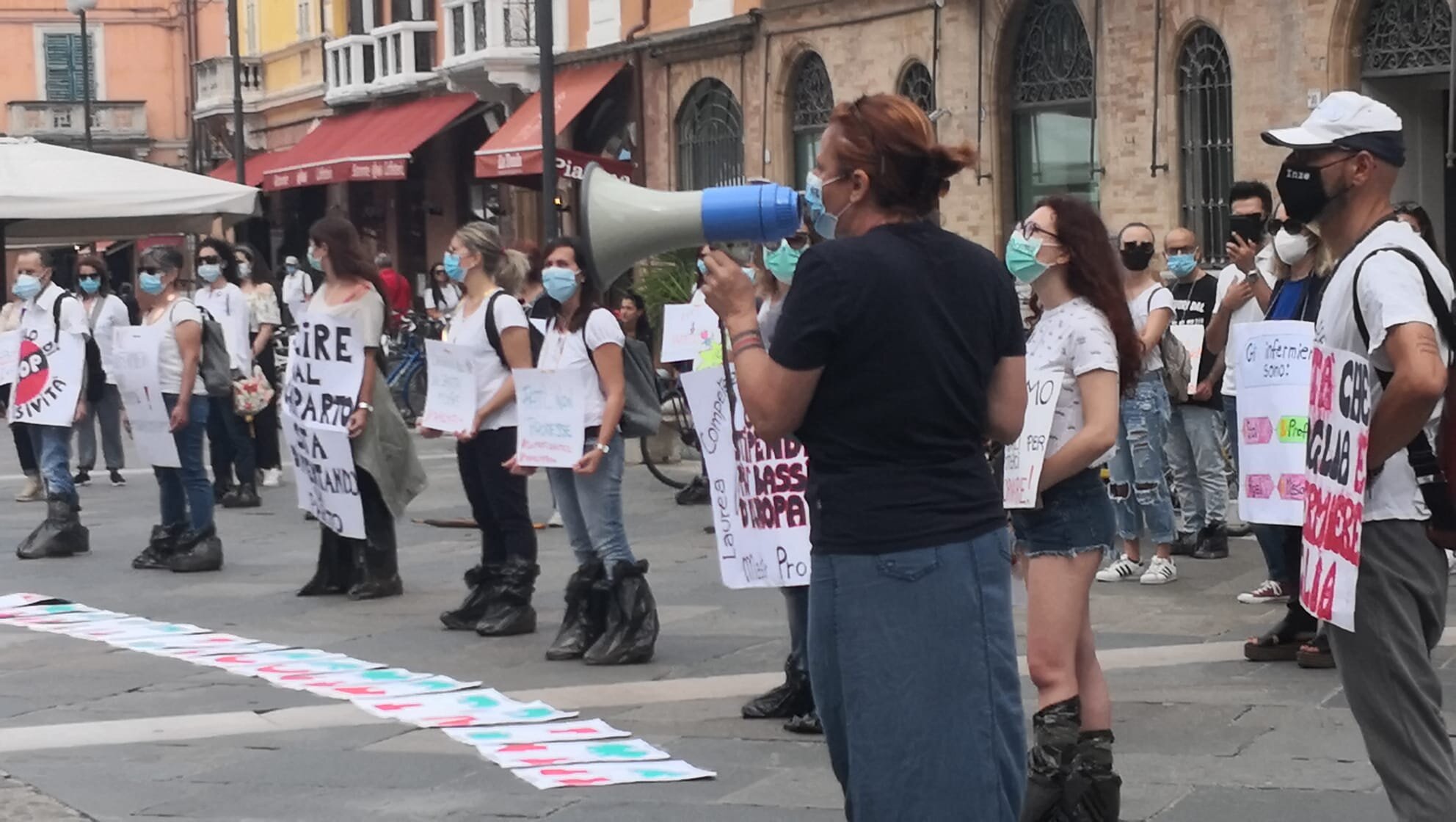
Manca personale: il 25 maggio presidio Nursing Up a Ravenna
Nursing Up informa colleghi, cittadini e istituzioni che lunedì 25 maggio, dalle ore 11:15 alle ore 12:30, sarà presente in presidio davanti alla Dire
2026-05-22 08:29:00
2026-05-22 08:29:00
Vincenzo
Vincenzo //www.lapaginadinursingup.it/favicon.png

Nuove Magistrali Infermieristiche: pronti alla partenza
Lauree magistrali specialistiche infermieristiche: un passo avanti, ma ora servono riconoscimento, carriera e retribuzione Prende forma il nuovo asset
2026-07-07 07:29:00
2026-07-07 07:29:00
Vincenzo
Vincenzo //www.lapaginadinursingup.it/favicon.png
Lorem ipsum dolor sit amet, consectetur adipisicing elit, sed do eiusmod tempor incididunt ut labore et dolore magna aliqua.