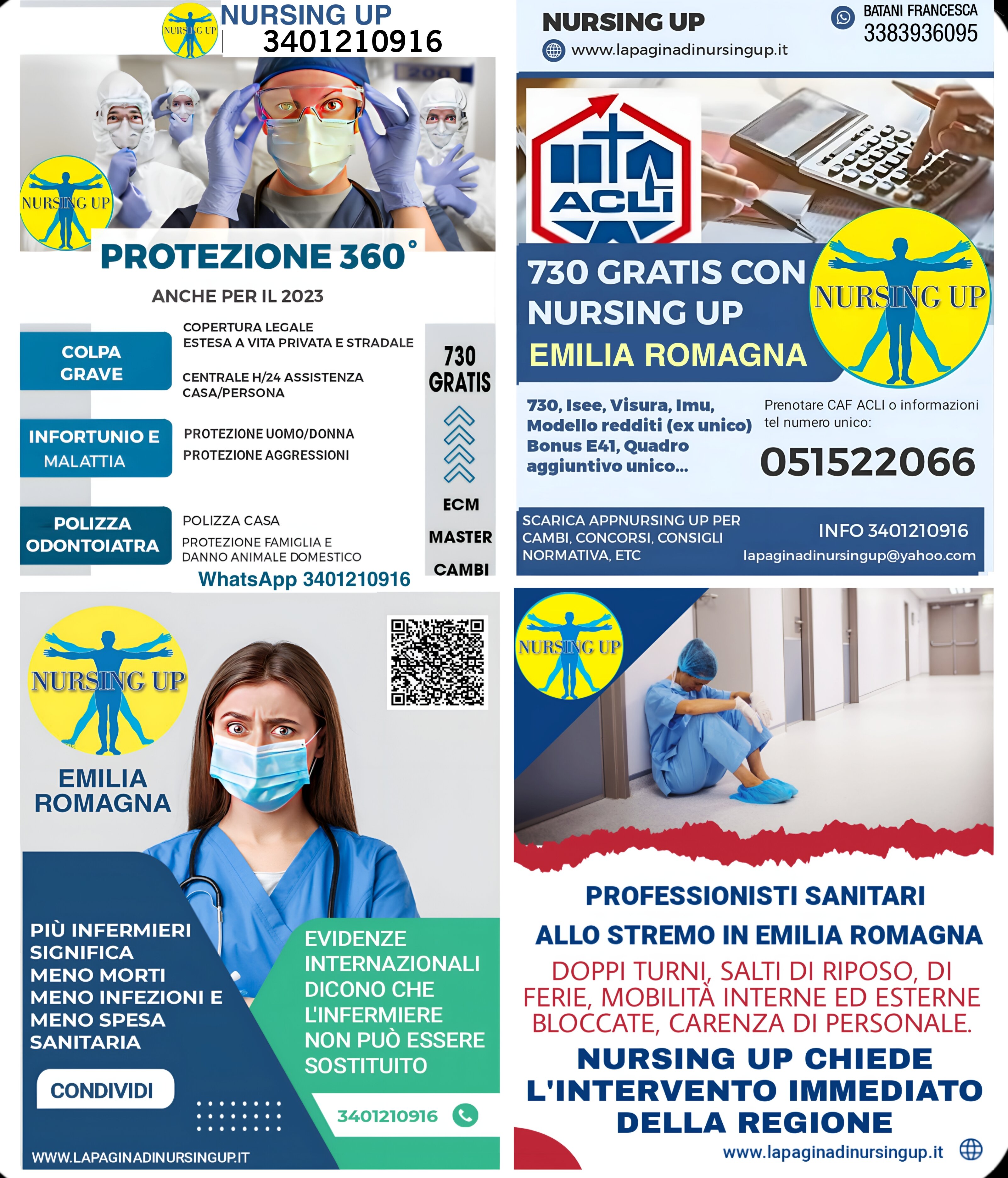

Antibiotic resistance is a global threat that is causing a growing number of deaths, particularly in Italy, where we are the second country in Europe for this phenomenon. Out of 33,000 deaths in Europe, 11,000 are Italian. According to estimates, by 2050 deaths from antibiotic resistance will surpass those from cancer, diabetes, and road accidents. The economic costs related to this problem are estimated at over 100 trillion dollars. To fight antibiotic resistance, many strategies and tools have been deployed, but none as effective as increasing the number of nurses per patient. A study conducted in Great Britain found that when nurse management goes from 10 to 6 patients, mortality is reduced by 20%. Researchers also specified that replacing the nurse with other figures does not reduce mortality. According to a study in California, the optimal nurse/patient ratio would be 1 to 6. The state of California has by law established that this ratio should be 1 to 5, and this has led to savings in money, infections, and deaths. In Italy, on the other hand, the nurse/patient ratio is very high, reaching 1 to 30 in some situations. It is no coincidence that in Italy there are about 450-700 thousand infections in hospitalized patients (in particular urinary infections, surgical wound infections, pneumonia, and sepsis). Fewer nurses means less attention and less prevention and consequently more risk of infections and death for patients. The current goal is to slow the development of antibiotic resistance, making it compatible with the rate of discovery of new drugs. For this reason, it is also necessary to combat the improper use of antibiotics in hospitals, livestock, and agriculture. Investing in nurses today therefore means saving tomorrow, in terms of human lives and economic costs. Nurses are highly qualified professionals who play a fundamental role in patient care. They ensure the safety and comfort of patients and help improve their health outcomes. Investing in nurses means investing in the future of public health. In Australia, the 'ideal' number to guarantee the best patient care has already been established: one nurse for every 4 patients.
Lancet Study 2014: Every time you add 1 patient to a nurse, the burnout index increases by 23%, patient mortality increases by 7%, and there is a 7% increase that the nurse does not realize the complications the patient is facing.
The greater the number of patients assigned to the nurse, the more care will be lacking: repositioning (to avoid pressure sores), oral hygiene, health education for patient/family, adequate monitoring (urine quantity, type of breathing, etc.), dialogue with the patient, observation, discharge preparation, etc.
Improving nursing care can help reduce deaths and infections, with a consequent reduction in the use of antibiotics, healthcare spending, and environmental pollution. In fact, more nurses means more prevention and fewer infections and consequently fewer antibiotics, less environmental impact.